
PHILIPPINE DEPOSIT INSURANCE CORPORATION


Keeping pace with digital speed: PDIC highlights three keys to protecting depositors
The Philippine Deposit Insurance Corporation (PDIC) underscored the need for the financial
safety net to keep pace with the speed at which money, information, and depositor
decisions move in today’s digital financial environment.
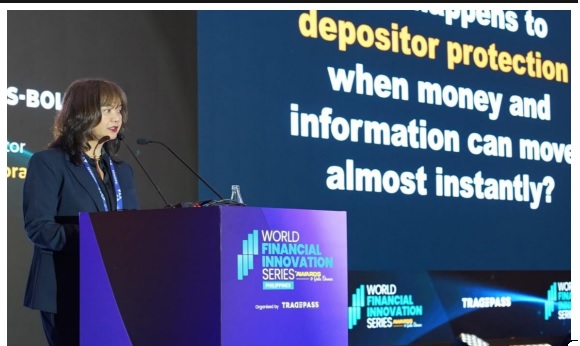
Speaking at the recently concluded World Financial Innovation Summit Philippines 2026
in Manila Marriott, Philippine Deposit Insurance Corporation (PDIC) General Counsel Ma.
Antonette Brillantes-Bolivar said digital banking, fintech services and instant payment
systems have changed how depositors access information, make decisions and move
funds.
“When money can move almost instantly, our capacity to protect confidence must evolve
with it,” Brillantes-Bolivar shared.
She noted that a depositor can now move funds with just a few taps, while financial
information — and misinformation — can spread to large audiences within minutes. This
creates new challenges for deposit insurers, particularly during periods of uncertainty.
Brillantes-Bolivar cited the 2023 Silicon Valley Bank episode in the United States, when
depositors sought to withdraw $42 billion in a single day, as an example of a bank run
unfolding at digital speed.
She stressed, however, that the episode had multiple underlying
causes and could not be attributed simply to digital banking or social media.
For the PDIC, keeping the financial safety net ahead of the curve means strengthening
three capabilities: seeing risks earlier, acting faster and communicating better.
The PDIC is strengthening its use of data analytics, artificial intelligence and information-
sharing among financial safety-net institutions to identify emerging risks and changes in
depositor behavior. It is also enhancing operational readiness and digital payment
channels to speed up the reimbursement of valid deposit insurance claims.
As part of its modernization efforts, the Corporation is pursuing amendments to its Charter,
including a proposed Single Customer View (SCV) system that would use unique depositor
identifiers to accelerate the determination of insured deposits while protecting depositor
privacy.
Brillantes-Bolivar stressed that these efforts are ultimately about preserving confidence in
a financial system where money and information move faster than ever.
“The future of banking may be digital,” she said, “but its foundation will always be
confidence.”
PDIC lays reform agenda to strengthen, future-proof deposit insurance system
State deposit insurer Philippine Deposit Insurance Corporation (PDIC) recently convened a
high-level government stakeholder consultative workshop to discuss key provisions of its
proposed legislative initiatives to enable a more responsive, resilient and future-ready
Philippine deposit insurance system.
The government stakeholder consultative workshop brought together representatives from
the Bangko Sentral ng Pilipinas, Department of Finance, Cooperative Development
Authority, Securities and Exchange Commission, and the Office of the Government
Corporate Counsel, reflecting a collective commitment to strengthening the Philippine
financial safety net. International financial institutions, including the World Bank, also
participated as reactors, sharing valuable perspectives on global best practices in deposit
insurance and financial stability frameworks.
As the country’s deposit insurer and a key pillar of the financial safety net, the PDIC
emphasized the need to strengthen its mandate to address evolving risks in the financial
sector while ensuring stronger protection for depositors and financial consumers.
Participants engaged in extensive deliberations on proposed reforms that would expand
coverage, accelerate claims payments, strengthen asset recovery mechanisms, and
enhance preparedness for systemic financial shocks.
One of the most significant proposals discussed was the expansion of scope of deposit
insurance beyond traditional banking institutions to include deposit products of non-bank
financial institutions (NBFIs) and cooperatives. The proposal seeks to strengthen financial
consumer protection by extending the deposit insurance safety net to small savers who
place their funds with these institutions, recognizing their increasing role in promoting
financial inclusion. Drawing from the model of the UK Financial Services Compensation
Scheme, the proposed PDIC legislative initiative aims to establish a fund of last resort
which may be called upon to protect eligible depositors when an NBFI or cooperative is no
longer able to meet its obligations.
The proposed amendments also introduce differential deposit insurance coverage for
deposits with recognized social value or economic impact such as payroll, pension,
retirement, settlement and other similar accounts, and such other deposit accounts with
temporary high balances from qualifying life events. The specific types of eligible accounts,
coverage levels, and implementing rules will be determined by the PDIC Board of Directors
through appropriate regulations.
The proposal is intended to provide greater protection for depositors whose account
balances may temporarily exceed the standard insurance limit because of their nature or
purpose. It also aims to minimize disruption to households, communities and payment
systems in the event of bank closures and, ultimately, promote financial stability.
At present, the deposit insurance system provides a uniform maximum deposit insurance
coverage of P1 million per depositor, per bank, without distinction as to type of depositor
or account. The proposed amendments authorize the PDIC Board of Directors to adopt
differential insurance coverage for eligible accounts, allowing the deposit insurance system
to respond more effectively to the varying needs and circumstances of depositors.
The proposed amendments to the PDIC Charter are anchored on international best
practices and draw from the experience of more advanced deposit insurance systems. For
instance, South Korea’s deposit insurance system extends coverage beyond banks to
include insurance companies (life insurers and non-life insurers), investment traders and
brokers, merchant banks and mutual savings banks. Similarly, Japan’s deposit insurance
system covers not only banks but also cooperative deposit-taking financial institutions such
as Shinkin banks, credit cooperatives, and labor banks. These international models
demonstrate that expanding the scope of deposit insurance can enhance depositor
protection while supporting financial stability and confidence in the financial system.
At the conclusion of the two-day workshop, participants expressed broad support for the
proposed legislative package, recognizing it as a transformative step toward strengthening
the country’s deposit insurance system. The proposed amendments are expected to
enhance the PDIC’s capacity to safeguard financial stability, strengthen depositor
protection, and enable the Corporation to respond more effectively to the evolving risks
and complexities of the financial system.
PDIC offers 76 Luzon residential, agricultural properties for sale on October 21-22
The Philippine Deposit Insurance Corporation (PDIC) is set to offer for sale 76 properties
based in Luzon through electronic public bidding (e-bidding) via the PDIC Assets for Sale
site, https://assetsforsale.pdic.gov.ph, with bids accepted starting at 9:00 am on October
21 until 1:00 pm on October 22, and the opening of bids at 2:00 pm on October 22.
Headlining the portfolio are 14 residential properties in various key cities and
municipalities of Laguna, a province known for its suburban character with modern
township convenience yet still retaining its rural charm. Strategically located at the south
of Metro Manila, major transportation arteries such as the South Luzon Expressway (SLEX)
and Cavite-Laguna Expressway (CALAX) provide Laguna with connectivity to premier
manufacturing and commercial hubs. Laguna is also fast becoming the preferred choice
for would-be residents who want to settle in a high-growth area.
The e-bidding will also offer 12 vacant agricultural and 5 vacant residential properties in
Palawan, a top island destination in the Asia-Pacific region known for its pristine beaches,
crystal-clear waters, and dramatic limestone cliffs. With minimum bid prices starting only
at P64,270.00, these properties present high-upside opportunities for expanding regional
infrastructure and rising demand for agribusiness and eco-tourism ventures in the
province.
Completing the Luzon portfolio for the e-bidding are 19 vacant residential properties, 13
properties classified as residential with improvements, 6 vacant agricultural properties, 5
properties classified as mixed residential/agricultural, and 2 properties classified as
agricultural with improvements. These properties are situated in Metro Manila, Albay,
Batangas, Cavite, Laguna, Palawan, Quezon, Rizal, and Romblon.
The public bidding is open to all qualified buyers who register through the PDIC’s e-bidding
portal. Prospective buyers are encouraged to complete the one-time registration at
https://assetsforsale.pdic.gov.ph/Account/Register to participate in the said public e-
bidding and future asset disposal activities. Interested buyers can also access the
complete property catalogue, detailed property information, bidding guidelines, and
documentary requirements through the same portal. Participants bidding on behalf of
another individual or an organization may likewise download the prescribed Special Power
of Attorney and Secretary’s Certificate forms from the e-bidding portal.
Properties are sold on an as-is-where-is basis and as such, bidders are encouraged to
perform comprehensive due diligence covering property condition, status, and ownership
prior to submitting bids. Participants are also reminded to review the Conditions of Bid
posted on the portal to ensure full compliance with established procedures.
Successful bidders for agricultural properties are required to submit two key documents
within 15 days of the e-bidding event: an Affidavit of Aggregate Landholdings and a
certification from the local Department of Agrarian Reform’s Provincial Agrarian Reform
Officer (PARO). The PARO certification must verify that the property is not subject to the
Comprehensive Agrarian Reform Program (CARP) and that no Emancipation Patent or
Certificate of Land Ownership Award has been issued. Additionally, the Affidavit must
confirm that the bidder’s total landholdings, including the acquired property, remain within
the five-hectare legal limit. Standardized templates for both documents are available for
download via the Download Center at https://assetsforsale.pdic.gov.ph.
As the statutory receiver, the PDIC liquidates the remaining assets of closed banks to
maximize recoveries and help settle claims of closed bank creditors, including depositors
with uninsured deposits. Proceeds from the sale of closed bank-owned properties go
directly to a fund that the Corporation manages for these closed banks to settle creditors’
claims, while revenues from the sale of corporate assets are added to the Deposit
Insurance Fund, the funding source for valid deposit insurance claims.
For more information on the e-bidding, interested buyers within Metro Manila may contact
the PDIC Public Assistance Department at (02) 8841-4141 during office hours. Those
outside Metro Manila may call the PDIC toll-free hotline at 1-800-1-888-PDIC or 1800-1-
888-7342, also during office hours. Inquiries may also be sent via e-mail at
pad@pdic.gov.ph or private message on PDIC’s Assets for Sale Facebook page
(@PDICAssetsforSale) or PDIC’s official Facebook page (@OfficialPDIC).
“PDIC 101: Understanding Deposit Insurance” initiative engages local media in Bohol
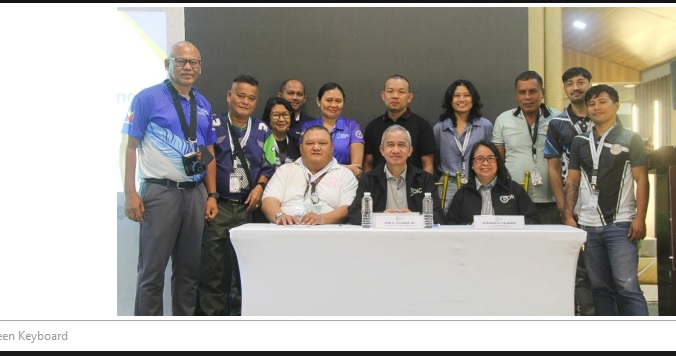
“PDIC 101” goes to Tagbilaran City. The Philippine Deposit Insurance Corporation (PDIC)
and the Philippine Information Agency (PIA) sustained their collaboration for the conduct
of “PDIC 101: Understanding Deposit Insurance” press conference, which equipped the
media with better understanding of the PDIC’s mandates and the protection provided by
deposit insurance. Photo shows the “PDIC 101” discussion held on September 10, 2026
and led by PDIC Vice President Jose G. Villaret, Jr. (Corporate Affairs Group) (seated,
center) in Tagbilaran City, Bohol.
The Philippine Deposit Insurance Corporation (PDIC) conducted the first regional run for
2026 of the “PDIC 101: Understanding Deposit Insurance”, a sustaining media education
initiative that empowers members of the local media with deeper understanding of the
PDIC’s mandates and the importance of deposit insurance in the financial well-being of
Filipinos. The “PDIC 101” was held in collaboration with the Philippine Information Agency
(PIA) Central Visayas Regional Office and Bohol Provincial Information Center on
September 10, 2026, in Tagbilaran City.
Recognizing the role of media in amplifying the PDIC’s messages of depositor protection
and financial stability, the Corporation maintains open communication with local media to
further encourage the public to save in banks and be protected by PDIC’s deposit
insurance of up to the maximum deposit insurance coverage (MDIC) of P1 million per
depositor, per bank.
Aside from providing critical information to the media, the PDIC 101 also provides a venue
for reporters to raise their questions and clarifications, thereby clarifying for the public the
Corporation’s multi-faceted roles as the state deposit insurer, co-regulator of banks,
statutory receiver of closed banks; as well as a pillar of financial stability.
PDIC Vice President Jose G. Villaret, Jr. (Corporate Affairs Group) led the PDIC 101 through
an engaging discussion and dialogue with Bohol media representing various television,
radio, print, and online media networks. VP Villaret underscored the PDIC’s core functions
and highlighted the enhanced protection more than a year after the implementation of
the MDIC of P1 million per depositor, per bank. The MDIC took effect on March 15, 2025.
From March 2025, when the new MDIC took effect, to March 2026, total deposits across
the Philippine banking system grew by 9.81 percent, a significant increase within just one
year. Notably, deposits with balances above the P1 million MDIC recorded the strongest
growth, at 10.32 percent over the same period, demonstrating the public’s positive
response to the increase in the MDIC, as reflected in stronger deposit growth and,
ultimately, heightened depositor confidence in the banking system. This growth is
particularly compelling, as it suggests that the enhanced MDIC may have strengthened
confidence not only among fully insured depositors, but also among depositors with larger
balances, reinforcing overall trust and stability in the banking system.
Since 2024, the PDIC and PIA have been collaborating to enhance public access to
financial information, particularly on the benefits of saving in banks and the protection
provided by deposit insurance. This is also aligned with the government’s thrust for
financial inclusion. Through its extensive nationwide network, the PIA helps the PDIC reach
more audiences to help them make informed financial decisions. Through consumer
education and collaboration with partner-agencies like the PIA, the PDIC continues to play
a key role in protecting depositors and maintaining public confidence in the country’s
financial stability.
For more information on the PDIC and deposit insurance, the public is encouraged to visit
the PDIC website, www.pdic.gov.ph and its official Facebook page,
www.facebook.com/OfficialPDIC.
PDIC sets public e-bidding for Luzon real properties from October 14 to 15
The Philippine Deposit Insurance Corporation (PDIC) will be offering for sale 75 properties
based in Luzon through electronic public bidding (e-bidding) via the PDIC Assets for Sale
site, https://assetsforsale.pdic.gov.ph with bids to be accepted from 9:00 am on October
14 until 1:00 pm on October 15, and the opening of bids at 2:00 pm on October 15.
Headlining the portfolio of properties are 16 vacant agricultural lots in the provinces of
Cagayan and Isabela, sitting at the heart of the Cagayan Valley, the country’s rice granary.
With the region’s expanding agro-industrial infrastructure, these properties with lot areas
reaching up to 11 hectares are well-suited for farming operations with the benefit of long-
term land appreciation. These lots will be offered along 15 other vacant agricultural lots in
Benguet, La Union, Pangasinan, and Tarlac at minimum bid prices starting at P164,000,
affording buyers great opportunities to acquire land suitable for agricultural use.
The e-bidding will also offer 21 vacant residential properties in the provinces of
Pangasinan, Cagayan, Isabela, Nueva Ecija, and Tarlac. With minimum bid price ranging
from P196,600 to P1.9 million, these properties give buyers great prospects to own
residential lots with wide options of turning them into homes, rental properties, and other
long-term property ventures.
Completing the Luzon portfolio for the e-bidding are 16 properties classified as residential
lots with improvements, 6 properties classified as mixed residential/agricultural, and one
agricultural property with improvements. These properties are situated in Bulacan,
Cagayan, Isabela, La Union, Nueva Ecija, Pangasinan, and Tarlac.
The public bidding is open to all qualified buyers who register through the PDIC’s e-bidding
portal. Prospective buyers are encouraged to complete the one-time registration at
https://assetsforsale.pdic.gov.ph/Account/Register to participate in the said public e-
bidding and future asset disposal activities. Interested buyers can also access the
complete property catalogue, detailed property information, bidding guidelines, and
documentary requirements through the same portal. Participants bidding on behalf of
another individual or an organization may likewise download the prescribed Special Power
of Attorney and Secretary’s Certificate forms from the e-bidding portal.
Properties are sold on an as-is-where-is basis and as such, bidders are encouraged to
perform comprehensive due diligence covering property condition, status, and ownership
prior to submitting bids. Participants are also reminded to review the Conditions of Bid
posted on the portal to ensure full compliance with established procedures.
Successful bidders for agricultural properties are required to submit two key documents
within fifteen (15) days of the e-bidding event: an Affidavit of Aggregate Landholdings and
a certification from the local Department of Agrarian Reform’s Provincial Agrarian Reform
Officer (PARO). The PARO certification must verify that the property is not subject to the
Comprehensive Agrarian Reform Program (CARP) and that no Emancipation Patent or
Certificate of Land Ownership Award has been issued. Additionally, the Affidavit must
confirm that the bidder’s total landholdings, including the acquired property, remain within
the five-hectare legal limit. Standardized templates for both documents are available for
download via the Download Center at https://assetsforsale.pdic.gov.ph.
As the statutory receiver, the PDIC liquidates the remaining assets of closed banks to
maximize recoveries and help settle claims of closed bank creditors, including depositors
with uninsured deposits. Proceeds from the sale of closed bank-owned properties go
directly to a fund that the Corporation manages for these closed banks to settle creditors’
claims, while revenues from the sale of corporate assets are added to the Deposit
Insurance Fund, the funding source for valid deposit insurance claims.
For more information on the e-bidding, interested buyers within Metro Manila may contact
the PDIC Public Assistance Department at (02) 8841-4141 during office hours. Those
outside Metro Manila may call the PDIC toll-free hotline at 1-800-1-888-PDIC or 1800-1-
888-7342, also during office hours. Inquiries may also be sent via e-mail at
pad@pdic.gov.ph or private message on PDIC’s Assets for Sale Facebook page
(@PDICAssetsforSale) or PDIC’s official Facebook page (@OfficialPDIC).
PDIC demystifies risk-based deposit insurance assessment during thrift bank confab
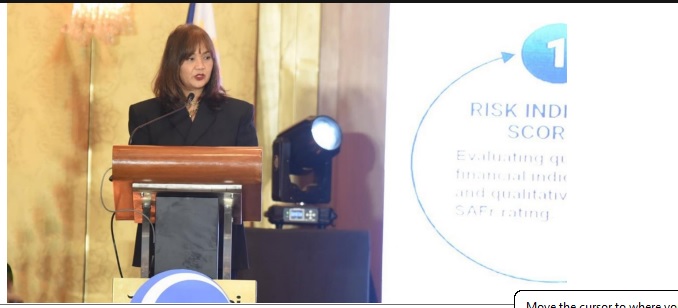
Sound risk management for equitable, fairer and stronger banking system. The Philippine Deposit
Insurance Corporation (PDIC) highlighted its ongoing efforts to strengthen financial stability and
depositor confidence through the development of a Risk-Based Assessment System (RBAS) for
deposit insurance. During the panel discussion at the 52nd Annual Convention of the Chamber of
Thrift Banks (CTB), PDIC General Counsel Maria Antonette I. Brillantes-Bolivar emphasized that
while digital transformation continues to reshape banking, public trust remains anchored on sound
governance, prudent risk management, and strong institutions. Developed in collaboration with the
World Bank Group, the RBAS framework will introduce a more equitable approach to premium
assessments by aligning rates with each bank’s risk profile, thereby encouraging stronger risk
management practices and enhancing the resilience of the banking system.
As banks rapidly embrace digital technologies, one thing remains unchanged: public trust
is the cornerstone of a stable financial system. While innovation is reshaping financial
services, confidence that bank deposits are safe continues to underpin the strength and
resilience of banking institutions.
In its latest engagement with the banking industry at the 52nd Annual Convention of the
42-member strong Chamber of Thrift Banks, the Philippine Deposit Insurance Corporation
(PDIC) highlighted its efforts to reinforce financial stability through the development of a
Risk-Based Assessment System (RBAS), a major reform that promotes sound governance,
stronger risk management, and greater fairness in deposit insurance.
PDIC General Counsel Maria Antonette Brillantes-Bolivar also emphasized the importance
of sound governance and prudent risk management in sustaining depositor confidence
amid rapid technological change, alongside RBAS.
Developed in collaboration with the World Bank Group, RBAS marks a significant shift from
the current flat-rate assessment scheme. Today, banks pay a uniform assessment of one-
fifth of one percent of their total deposit liabilities. Under RBAS, premium rates will instead
reflect each bank’s individual risk profile, taking into account its financial condition,
governance, and risk management practices.
The principle behind the reform is simple: banks that manage risks responsibly should be
recognized for doing so. Rather than increasing the industry’s burden, RBAS is designed to
encourage prudent risk management while helping build a stronger and more resilient
banking system. The reform is relevant to the thrift banking sector, which serves more than
10.4 million deposit accounts nationwide. As key providers of financial services to
households, entrepreneurs, and small and medium enterprises, banks play an important
role in advancing financial inclusion. The PDIC emphasized that by combining technological
innovation with their strong community presence, banks, especially, thrift banks can
continue expanding access to formal financial services across the country.
To support a smooth transition, the PDIC will conduct a one-year shadow run before full
implementation. This period will allow banks to understand how the framework evaluates
their operations, identify areas for improvement, and strengthen their risk management
systems before the new premium assessments take effect.
Recognizing the sensitivity of supervisory information, the Corporation assured banks that
the RBAS incorporates strict confidentiality measures covering bank-specific assessments,
simulated scores, and risk ratings. The framework also includes mechanisms for review,
clarification, and periodic recalibration to ensure it remains responsive to evolving industry
conditions.
The RBAS reflects the PDIC’s commitment to innovation and alignment with international
best practices. The framework is consistent with the Core Principles for Effective Deposit
Insurance Systems established by the International Association of Deposit Insurers (IADI),
which provide guidance on the design and implementation of differential or risk-based
premium systems. These principles require deposit insurers to have access to timely and
relevant information for risk assessment, maintain meaningful differentiation among risk
and premium categories, ensure transparency in premium calculations, protect the
confidentiality of institution-specific ratings and rankings, and regularly review and update
the system to preserve its effectiveness.
Ultimately, RBAS will be more than a new assessment framework but an investment in a
stronger deposit insurance system that benefits banks, depositors, and the broader
economy. As General Counsel Bolivar aptly emphasized, “RBAS is not about imposing
additional burden on banks. It is about creating greater fairness, stronger incentives, and
a more resilient banking system, one that benefits the millions of Filipino savers we all
serve.”
Advancing risk-based assessment to strengthen, future-proof PH deposit insurance system
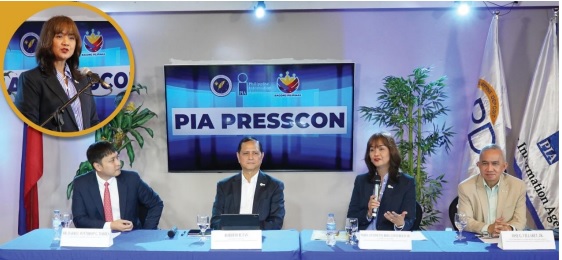
Rewarding stronger risk management today to better protect Filipino depositors tomorrow.
The Philippine Deposit Insurance Corporation (PDIC) is gearing up for the Risk-Based
Assessment System (RBAS) for banks, a landmark reform that aims to align banks’ deposit
insurance premium with their individual risk profiles. Under the proposed RBAS, banks that
manage their risks better will not be required to contribute to the PDIC’s Deposit Insurance
Fund (DIF) in exactly the same way as banks that do not manage their risks well, thereby
promoting sound governance, stronger financial condition, and prudent risk management.
This will ultimately benefit the depositing public through a stronger and more resilient
banking system. RBAS was discussed by PDIC General Counsel Maria Antonette I.
Brillantes-Bolivar (inset and 3rd from left) during the “PDIC 101: Understanding Deposit
Insurance”, a joint press conference of the PDIC and the Philippine Information Agency
(PIA) on August 5, 2026. Also in photo are (L-R): PIA Division Chief Darrel Winthrop G.
Torres (Program Management Division), PDIC President and CEO Roberto B. Tan, and PDIC
Vice President Jose G. Villaret, Jr. (Corporate Affairs Group).
State deposit insurer Philippine Deposit Insurance Corporation (PDIC) has introduced its
proposed Risk-Based Assessment System (RBAS), a landmark reform that will strengthen
the country’s deposit insurance framework by aligning banks’ deposit insurance premium
rates with their individual risk profiles.
The new initiative was presented to members of the media during the conduct of “PDIC
101: Understanding Deposit Insurance”, a press conference held in partnership with the
Philippine Information Agency (PIA) on August 5, 2026 at the PIA office in Quezon City.
PDIC General Counsel Maria Antonette I. Brillantes-Bolivar, who heads the PDIC RBAS
working group, said the reform will promote stronger risk governance among banks while
preserving full depositor protection through the maximum deposit insurance coverage of
P1 million per depositor, per bank.
Unlike the current system, where all banks pay a flat assessment rate of one-fifth of one
percent of total deposit liabilities, the RBAS will adopt a risk-based approach. Assessment
rates will reflect each bank’s overall risk profile, taking into account factors such as capital
adequacy, liquidity, asset quality, governance, business model, and supervisory
assessments adopted by the Bangko Sentral ng Pilipinas (BSP).
“The RBAS promotes fairness by ensuring that assessment rates better reflect a bank’s
level of risk. It also encourages banks to strengthen governance, maintain adequate
capital, and adopt sound risk management practices that contribute to a safer and more
resilient banking system,” Atty. Bolivar shared.
RBAS is being developed with the advisory services of the World Bank Group and in
consultation with the BSP and the different bank associations. Under the framework,
financial and supervisory indicators will be combined to generate a composite risk score
that will determine each bank’s assessment rate. Banks with stronger risk profiles may
qualify for lower assessment rates. RBAS is also aligned with the Core Principles for
Effective Deposit Insurance Systems of the International Association of Deposit Insurers
(IADI), which encourage the use of risk-sensitive premium assessment frameworks.
To ensure a smooth transition, the Corporation will conduct a one-year shadow run before
full implementation by 2028. During this period, banks will continue paying the current flat
rate while receiving estimates of what their premiums would be under the RBAS. The
exercise will also allow the state deposit insurer to test and refine the framework.
The PDIC emphasized that all bank-specific assessments, simulated scores, and risk
ratings will remain strictly confidential. The framework also includes mechanisms for
clarification, review, and periodic recalibration to keep the methodology responsive to
evolving industry conditions.
As co-regulator of banks alongside the BSP, the PDIC said the RBAS reinforces its
commitment to financial stability and depositor protection by creating stronger incentives
for prudent risk management and a safer, fairer, and more resilient banking system.
PDIC sustains operational excellence, retains ISO 9001:2015 certification for 2 core processes
The Philippine Deposit Insurance Corporation (PDIC) has maintained its ISO 9001:2015
certification for the Quality Management System (QMS) of two (2) of its core operations
following a successful surveillance audit by certifying body TÜV SÜD Management Service
GmbH (TÜV SÜD).
Conducted in May 2026, the first surveillance audits for the year evaluated the QMS on
claims settlement operations (CSO) and assessment of member banks (AMB), alongside
their support processes. The audit yielded zero major or minor non-conformities, reflecting
the Corporation’s robust institutional compliance and high standard of service delivery.
TÜV SÜD commended the PDIC’s exceptional performance metrics, including a 100%
settlement rate for valid deposit insurance claims within prescribed turnaround times. The
Corporation was further lauded for integrating climate change risk to its governance, risk
management, and controls framework and expanding deposit insurance coverage to
Islamic banking units to advance financial inclusion.
The audit report also highlighted recent recognitions, including awards from the
Governance Commission for GOCCs (GCG) as a top GOCC in the implementation of the
2024 Corporate Governance Scorecard and from the Anti-Red Tape Authority for a Silver
Award in the Report Card Survey 2.0.
With existing ISO certifications for three other core processes (real property disposal, bank
examination, and loans management) and the retention of its certifications for CSO and
AMB, the PDIC continues to give depositors confidence about saving their hard-earned
money in banks and promote financial stability.
PDIC continuously maintains ISO 9001:2015 certification in its Quality Management Systems
The Philippine Deposit Insurance Corporation (PDIC) successfully maintained its ISO
9001:2015 certifications for three of its core processes – real property disposal, loans
management, and bank examination – following audits conducted by two independent
certifying bodies in November 2025.
In its audit report, certifying body TÜV SÜD Management Service commended the PDIC for
its sustained commitment to continuously improving its quality management systems. The
report highlighted several recent corporate milestones that reinforce this commitment,
including upgrades in the Corporation’s IT infrastructure, strong customer satisfaction
ratings, zero customer complaints recorded during the monitoring period, and
implementation of an enhanced risk management framework.
These achievements underscore the Corporation’s ongoing effort to strengthen
governance, efficiency, and customer-centric service delivery.
The real property disposal process plays an important role in carrying out the PDIC’s
mandate to liquidate assets of closed banks for the benefit of creditors. To ensure
transparency, fairness, and efficiency, the Corporation employs various modes of asset
disposal, including public bidding, negotiated sale, lease-purchase arrangement, donation,
and transfers or sales to other government agencies.
A key innovation is the PDIC’s electronic bidding (e-bidding) portal, that allows property
buyers to seamlessly and conveniently participate in auctions through the Corporation’s
website. This digital platform reflects the PDIC’s commitment to modernize its operations
and provide easier access to asset disposal opportunities.
The latest audit revealed no non-conformities in the quality management system on real
property disposal. The Corporation has maintained its ISO 9001:2015 certification for this
process since 2019.
Meanwhile, the second certifying body, SOCOTEC Certification International, also
recommended the continued certification of the PDIC’s loans management and bank
examination processes, including their support functions. SOCOTEC’s audit similarly
found no non-conformities which further affirmed the strength and consistency of the
Corporation’s quality management system.
SOCOTEC cited several noteworthy improvements, as well, including enhancements to
the Closed Bank Loan Incentive Program (CLIP 3.0) that offered discounts and incentives
to help borrowers of closed banks settle their obligations, increased utilization of
the LandBank Link.Biz payment, strengthened compromise settlement procedures,
updated standard operating guidelines and bank examination guidelines, and expanded
capacity-building programs for bank examiners to ensure sustained professional
excellence.
SOCOTEC also commended the Corporation’s accelerated shift toward digitalization that is
helping reduce manual intervention and improve turnaround time for the benefit of
customers.
ISO 9001:2015 certification represents an internationally recognized seal of excellence,
providing clients and stakeholders with confidence that the PDIC’s processes consistently
meet global standards for efficiency and quality. The reaffirmation of these certifications
reinforces the unwavering commitment of the Corporation to service excellence and
transparent governance.
The PDIC also continues to maintain ISO 9001:2015 certification for two other major core
areas – claims settlement operations and assessment of member banks. Since 2020, all
five of these core services of the Corporation and their respective support processes have
remained fully certified under the ISO 9001:2015 standards.
The PDIC is the state deposit insurer that promotes and safeguards the interest of the
depositing public by way of providing deposit insurance coverage on all insured deposits.
Individual deposits are insured by PDIC up to P1 million per depositor, per bank. Likewise,
as provided under the PDIC Charter, the aggregate interest of each co-owner over joint
deposit accounts is also separately insured up to P1 million.
As a co-regulator of banks, the PDIC works closely with the Bangko Sentral ng Pilipinas for the conduct of joint bank
examinations. The Corporation also promotes financial stability by working with the BSP
and other financial regulators of the Financial Stability Coordinaton Council. Meanwhile, as
the statutory receiver of closed banks, the PDIC is mandated to liquidate the assets of
closed banks through loans collections and asset disposal. Proceeds from loans collection
and asset disposal are added to the pool of liquid assets of closed banks which will be
used to help settle claims of their creditors and uninsured depositors.
-30-
PDIC shares nascent AI experience, digital transformation journey in UP Forum on public communication
The importance of AI in corporate communication. Philippine Deposit Insurance
Corporation (PDIC) Vice President Jose G. Villaret, Jr. shared the early AI practices and
digital transformation journey of the state deposit insurer with students, educators,
communication professionals, and media practitioners during the MAKI+Fiesta 2.0 festival
at the University of the Philippines Diliman on December 11, 2025. One of the highlights
of his presentation is the use of AI and technology to ensure improved efficiency and
responsiveness to PDIC’s various stakeholders, as well as in media monitoring, which
further strengthens its communication initiatives.
The Philippine Deposit Insurance Corporation (PDIC), represented by Corporate Affairs
Group Vice President Jose G. Villaret, Jr., shared its digital transformation journey and the
role artificial intelligence (AI) plays in its communications and public awareness initiatives
at the MAKI+Fiesta 2.0 event at the University of the Philippines (UP) Diliman.
A panelist in the event’s AI in Public and Development Communication breakout session,
Vice President Villaret talked about the recent launch of POLA, or the PDIC Online Assistant,
the Corporation’s AI-driven chatbot that more efficiently provides the public with key
information about the PDIC and its operations, including deposit insurance. Also discussed
during his presentation was how the PDIC maximizes AI and other digital tools for media
content analysis in measuring the impact of its communications and public awareness
initiatives and campaigns.
He also shared the Corporation’s journey to transform PDIC into a more agile, efficient, and
innovative financial regulator. All of these, he said, are expected to translate to more
efficient public service through streamlined processes, data-driven decision-making, and
predictive analytics.
Now on its second year, MAKI+Fiesta is a collaboration between the UP System, Quezon
City Government, PumaPodcast, FYT Media, and Probe Productions. The media and
communication festival aims to explore the dynamic role of creativity and innovation in
empowering individuals and communities. For this year, the festival has invited speakers
from the PDIC, the Presidential Communications Office, the Philippine Information Agency,
and the Quezon City Government.

-30-
GCG cites PDIC as Top 2 GOCC in the 2024 Corporate Governance Scorecard for GOCCs

Champion of good governance. Philippine Deposit Insurance Corporation (PDIC) Board
Member Aurora C. Ignacio (center) receives, on behalf of the PDIC, the Award of Excellence
from the Governance Commission for GOCCs (GCG), as one of the top GOCCs for the 2024
Corporate Governance Scorecard (CGS) during the 2025 GCG Awards Ceremony held at
the Sequoia Hotel, Parañaque City on December 1, 2025. The CGS rates the GOCCs’
policies and practices in stakeholder relations, disclosure and transparency, and Board
responsibilities. GCG Chairperson Atty. Marius P. Corpus (3rd from right) and former
Senate President and Principal Author of the GOCC Governance Act of 2011 (RA 10149)
Franklin M. Drilon (5th from right) led the awards ceremony. Also present (left to right)
were PDIC Vice President Atty. Nilo Aldrin M. Lucinario, PDIC Senior Vice President Sandra
A. Diaz, PDIC Vice President Delilah Grace V. Magtolis, and GCG Commissioner Atty.
Geraldine Berberabe-Martinez.
The Philippine Deposit Insurance Corporation (PDIC) was once again recognized as among
the top-ranking government-owned or-controlled corporations (GOCCs) in the Philippines
and among 11 GOCCs with the highest ratings in the Corporate Governance Scorecard for
calendar year (CY) 2024. The Scorecard being implemented by the Governance
Commission for GOCCs (GCG) evaluates GOCCs based on international governance
benchmarks. The state deposit insurer was rated Outstanding with a score of 102.6,
ranking second among other GOCCs together with the National Electrification
Administration.
“The recognition reflects the Corporation’s continuous commitment to upholding the
highest standards of good governance. This is a fitting tribute to the men and women of
PDIC for their professionalism, commitment, and responsiveness in our day-to-day
operations. Our goal is to provide exemplary service to the depositing public so they can
feel safe and confident in the country’s banking system,” PDIC President Roberto B. Tan
said.
The award is an affirmation that PDIC is moving in the right direction in strengthening its
governance and in achieving its vision as “a key pillar in promoting financial stability by
providing depositor protection responsive to changing times, earning the continuing trust
of the public.”
The GCG adopted the Corporate Governance Scorecard for GOCCs, patterned after the
ASEAN Corporate Governance Scorecard and based on the Principles of Corporate
Governance for State-owned Enterprises by the Organization for Economic Cooperation
and Development (OECD), to raise the standards of corporate governance practices of
GOCCs and be at par with the ASEAN state-owned enterprises. The Scorecard rates the
GOCCs’ policies and practices in stakeholder relations, disclosure and transparency, and
Board responsibilities.
The PDIC has consistently been recognized by the GCG as one of the best governed GOCCs
in the bureaucracy since 2014.